Step one
Choose a fund which has been Shariah and BDS screened
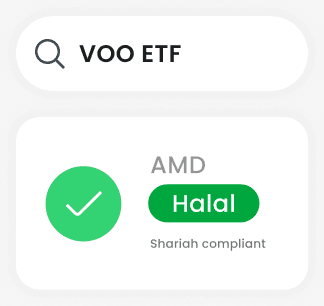
Connect your Trading 212 account and build your portfolio the right way. Pre-screened funds, one click investing.
Step one
Step two
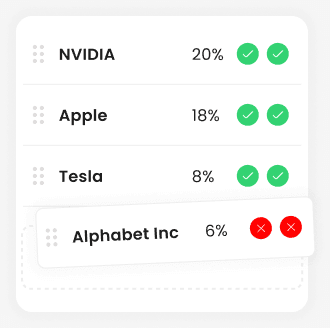
Step three
Subscribe to access all Shariah-compliant investment tools
Monthly Plan
Billed monthly
£4.99 month
Yearly Plan
Billed annually
£54.99 year
What's included
Find answers to common questions about Halal Screener, Shariah compliance, and our investment filtering system.
Halal Screener connects to your Trading 212 account and helps you invest in Shariah-compliant and non-BDS stocks. It automatically filters companies based on Shariah compliance principles and BDS (Boycott, Divestment, Sanctions) guidelines, ensuring your investments align with your values.
Shariah-compliant investing means your investments must adhere to Islamic principles. This includes avoiding companies involved in prohibited activities like alcohol, gambling, pork products, conventional banking interest (riba), and other haram activities. Halal Screener uses industry-standard screening criteria to identify compliant companies.
We use a combination of financial screening criteria including debt-to-asset ratios, interest-bearing securities, and revenue from non-compliant activities. Our system continuously monitors and updates company compliance status based on their financial reports and business activities.
BDS (Boycott, Divestment, Sanctions) is a movement that identifies companies complicit in violations of Palestinian rights. We maintain an updated list of companies flagged by BDS campaigns and allow you to exclude them from your investment portfolio. The 🍉 emoji next to 'non-BDS' indicates our support for this movement.
Yes! Halal Screener works with Trading 212 ISAs. When you create a pie through Halal Screener, you can add it to your ISA account on Trading 212, allowing you to invest in Shariah-compliant stocks while benefiting from ISA tax advantages.
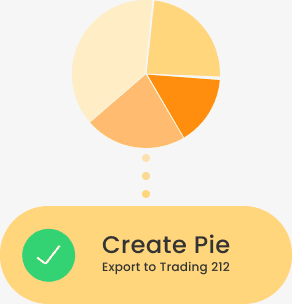
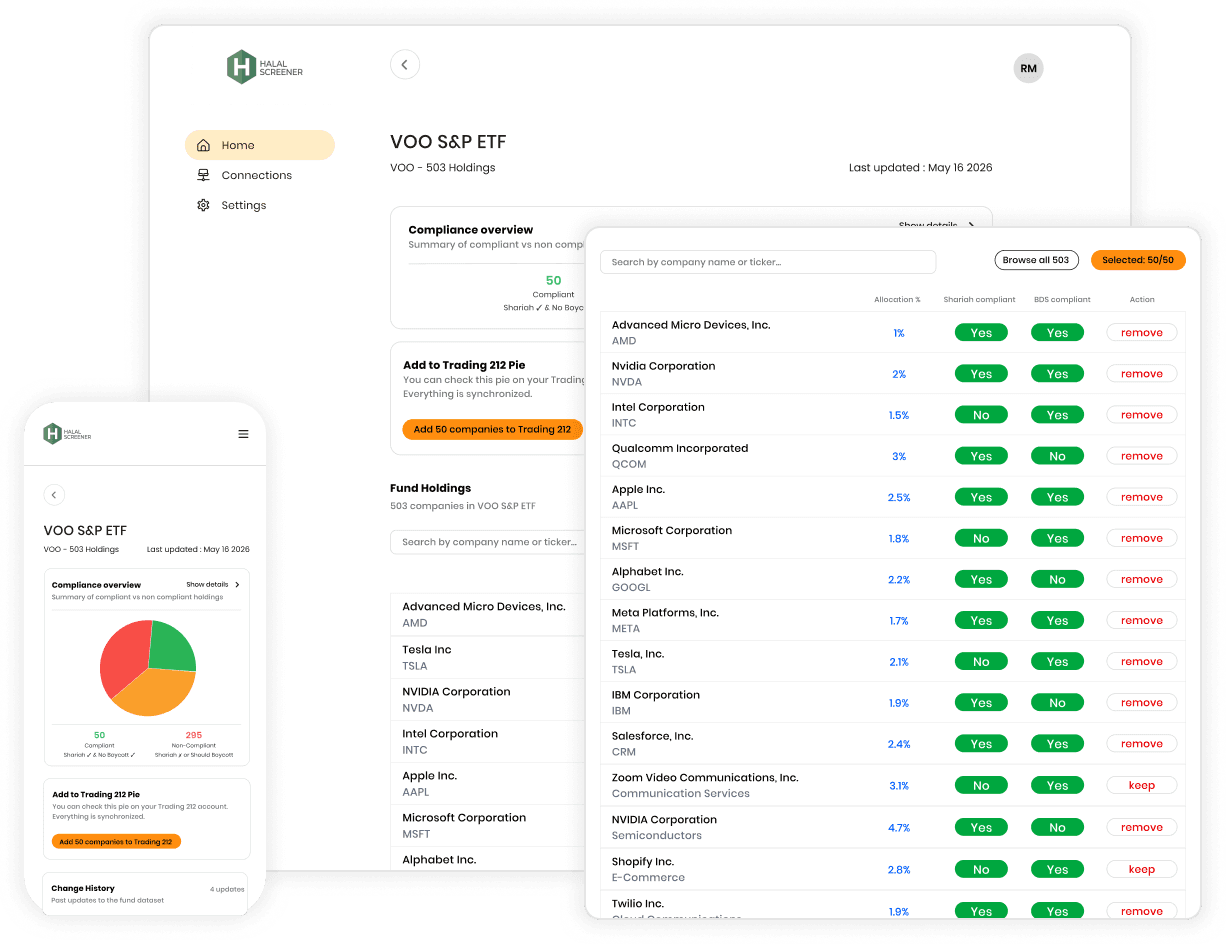
Halal Screener doesn't execute trades directly. Instead, it creates investment pies on your Trading 212 account with the selected Shariah-compliant companies. You maintain full control and can review, modify, or execute the trades through your Trading 212 platform.
If a specific stock isn't available on Trading 212, Halal Screener will automatically adjust the pie allocation. You'll be notified of any unavailable stocks, and the remaining holdings will be proportionally redistributed to maintain your investment strategy.
No, Halal Screener does not guarantee returns. All investments carry risk, and past performance does not indicate future results. We provide tools to help you invest according to your values, but investment decisions and outcomes are your responsibility.
You could research Shariah-compliant investments yourself, but it's time-consuming and requires ongoing monitoring. Halal Screener automates the screening process, continuously updates compliance status, handles BDS filtering, and integrates seamlessly with Trading 212, saving you hours of research and maintenance.
We update our compliance data regularly, typically when companies release quarterly financial reports. Our system also monitors for significant business changes that might affect Shariah compliance status. You'll receive notifications when updates affect your portfolio.
When a company in your pie becomes non-compliant, Halal Screener will notify you and update your pie so you can remove it from your selection. You'll need to rebalance your Trading 212 pie to reflect the change — typically by selling the affected stock and redistributing its allocation across your remaining holdings. Be mindful that selling on Trading 212 may incur fees depending on your account type and how often you trade. Halal Screener helps you stay compliant; you remain in control of when and how you apply updates in Trading 212.
Rebalancing happens in Trading 212, not Halal Screener.To understand how this works please read Trading 212's guide to pie rebalancing.
Two main reasons. First, a qualitative change, meaning the company starts deriving revenue from an impermissible business activity (such as alcohol, conventional finance, or gambling). Second, a quantitative change, meaning a financial ratio creeps over a threshold, for example non-permissible income exceeding 5% of total revenue, or interest-bearing debt exceeding the permissible limit. Ratio-based failures are more common and can happen gradually over time.
There is no single universal ruling on this. Different scholars and practitioners take different positions. Some take the view that a non-compliant stock should be sold as soon as possible once the investor becomes aware. This is the stricter scholarly position. Others follow a 90-day window from the point the stock is identified as non-compliant. This is a commonly cited practitioner guideline, though it originates from board-level rulings rather than a specific AAOIFI standard. For investors holding through Islamic index-tracking funds or ETFs, the fund manager typically follows the index rebalancing schedule. MSCI and FTSE review their Islamic indexes quarterly, so the fund manager has a defined window to exit the position at the next rebalancing event.
The general principle across most scholarly frameworks is that gains made before the stock turned non-compliant may be kept. Gains accrued after the stock is known to be non-compliant are treated differently. Many scholars and practitioners hold that any capital gains or dividends accrued from the date the stock turned non-compliant through to the date of sale should be purified, meaning donated to charity. This obligation applies even if the overall investment is at a loss.
Purification is a separate obligation from the decision to sell. It involves calculating any portion of dividends or income that came from non-permissible activities and donating that amount to charity. Most halal fund managers and ETFs do this automatically on behalf of investors, publishing a dividend adjustment factor each year. Investors holding individual stocks directly are generally expected to calculate and donate this themselves. Tools like Zoya and Musaffa publish purification rates to assist with this.
For financial ratio failures (such as debt or income thresholds being breached), major index providers like S&P and MSCI have built-in buffers. Under S&P's methodology, a stock that was compliant at the previous review and only marginally exceeds the threshold may remain in the index for that cycle. Under MSCI's framework, a financial ratio failure must persist across three consecutive review periods before the stock is removed. This is designed to reduce unnecessary portfolio turnover. For qualitative failures, such as a change in the company's main business activity, removal typically happens at the next effective rebalancing date with no buffer applied.
If you believe there's an error in our compliance data or company classifications, please contact us at hello@halalscreener.co.uk with details. We take data accuracy seriously and will investigate and correct any verified errors promptly.
Yes, Halal Screener is a legitimate tool developed by Nisba, a trusted platform for halal investing education and resources. We're transparent about our methodology and maintain high standards for data accuracy and user security.
Halal Screener doesn't hold or manage your money. Your funds remain in your Trading 212 account, which is protected by FCA regulations (up to £85,000 under the FSCS). We only have read-only access to create and update pies, never to withdraw or transfer funds.
We store minimal data - only the pie IDs and fund selections you've created through Halal Screener. This allows us to sync updates and notify you of changes. We don't store your account balance, personal financial information, or trading history.
Halal Screener uses Trading 212's API with read-only access. We can view your pies and create/update pies, but we cannot withdraw funds, view your account balance, access your personal information, or execute trades. You maintain full control of your account.
We use industry-standard security practices including encrypted API connections, secure credential storage, and regular security audits. Your Trading 212 API credentials are stored locally in your browser and never transmitted to our servers. We follow OAuth best practices and never request more permissions than necessary.